Collateral Hail Damage: Checking Gutters, Flashing, and Soft Metals
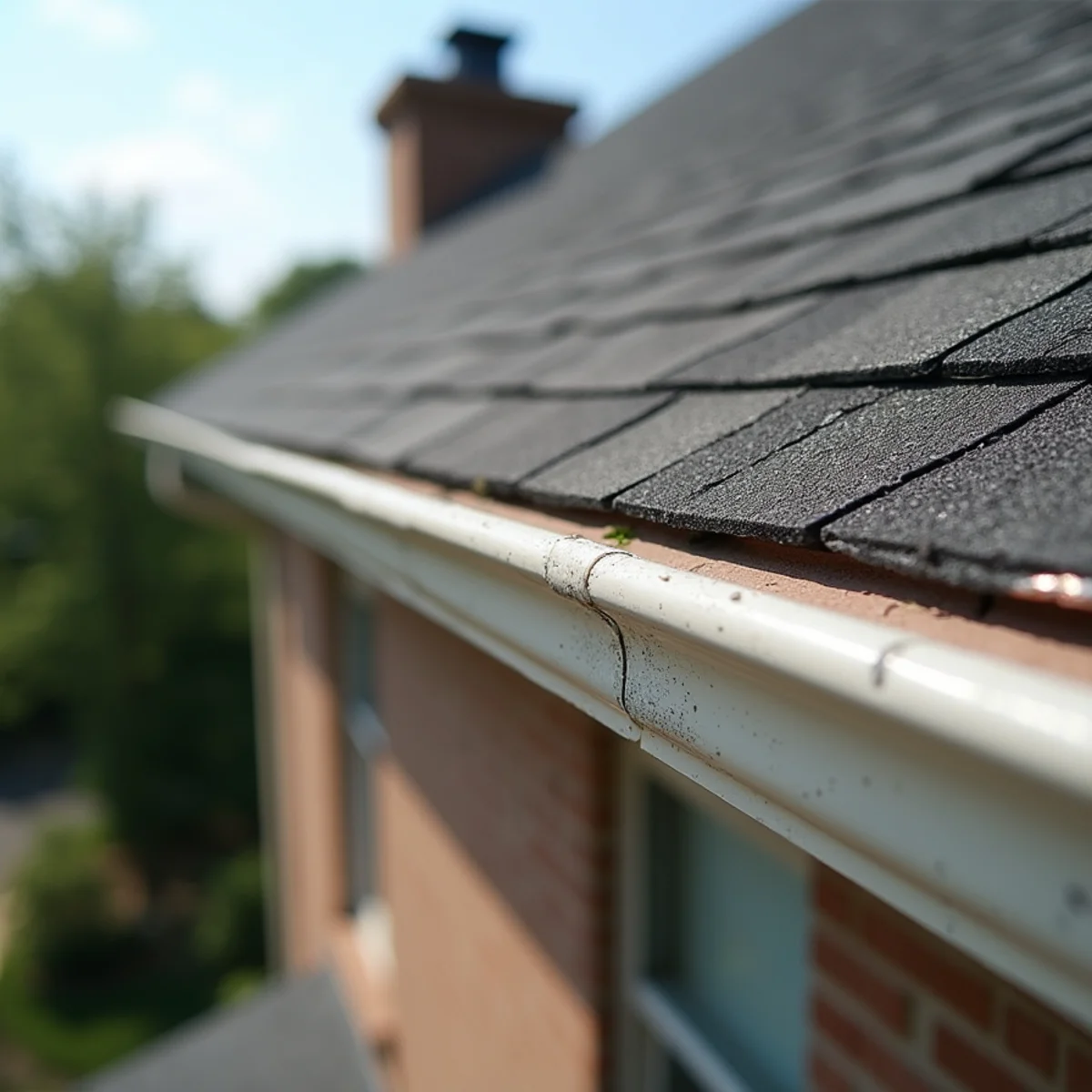
Documenting collateral hail damage on gutters, flashing, and soft metals is the most definitive evidence used to validate an insurance roof claim in Arkansas: because soft aluminum, copper, and thin gauge sheet metals lack elastic rebound, they permanently capture hail stone diameter, fall density, and storm directional vectors, disproving insurance claims that shingle damage is merely pre-existing blister wear.
When an insurance adjuster steps onto your Little Rock property after a thunderstorm, one of the first areas they inspect is not the shingle field, but the surrounding soft metals. While asphalt shingles can sometimes mask subtle fiberglass mat fractures beneath surface granules, metal components record the physical kinetic energy of every hail impact with forensic precision. Understanding how to locate and document collateral soft metal damage dramatically increases your claim approval success.
Soft Metal Collateral Forensic Evidence Matrix
Forensic roofing engineers and Haag-certified inspectors catalog damage across multiple soft metal surfaces on a residential property:
| Collateral Component | Substrate Material & Thickness | Diagnostic Hail Impact Signature | Claim Corroboration Value |
|---|---|---|---|
| Seamless Gutters & Downspouts | 0.027" or 0.032" seamless aluminum | Distinct hemispherical indentations along the gutter lip and front face; spatter marks removing oxidized topcoat. | Very High: Establishes stone size and wind strike angle across front and rear elevations. |
| Roof Exhaust Vents (Turtle & O’Hagin) | 26-gauge stamped aluminum or galvanized steel | Deep concave dimples across the dome; paint chipping; warped vent louvers restricting attic airflow. | Critical: Proves vertical hail impact energy directly on the roof deck plane. |
| Furnace / Water Heater B-Vent Caps | Thin galvanized steel / aluminum alloy | Dented cylindrical cap skirts, crushed baffles, and loosened rain hoods. | High: Located at the highest point of the roof, proving unshielded hail strikes. |
| Lead Plumbing Flashing Boots | Malleable pure lead sheet (approx. 2.5–3.0 lb) | Deep craters and crushed collars pinched tightly against PVC pipe, creating seam gaps. | Definitive: Lead records pinpoint hail impressions without bouncing back. |
| AC Condenser Exterior Fins | 0.0045" corrugated aluminum heat exchange fins | Crushed, flattened cooling fins in dense circular strike clusters on windward condenser sides. | Incontestable: HVAC mechanical damage cannot be attributed to age or installation error. |
| Window Cladding & Window Screens | Extruded aluminum casing & mesh fabric | Torn screen mesh spatter rings; chipped aluminum baked enamel cladding on window sills. | Elevational Corroboration: Verifies directional storm track and downburst intensity. |
Why Insurance Adjusters Examine Soft Metals Before Asphalt Shingles
Insurance claims adjusters are trained to follow a strict diagnostic methodology. When evaluating an asphalt shingle roof for hail damage, carriers often attempt to classify shingle depressions as "thermal blistering," "mechanical scuffing," or "manufacturing anomalies." Because asphalt contains elastomeric oils, bruised shingles can rebound partially, leaving subtle fractures that adjusters dispute.
Soft metals have zero memory rebound. When a 1.25-inch hail stone travelling at 55 mph strikes a 0.027-gauge aluminum gutter lip, the yield strength of the aluminum is exceeded immediately. The metal deforms permanently into a concave indentation matching the exact radius of the hail stone. When an adjuster finds 15 verified hail dents on your gutters, box vents, and lead pipe collars, they can no longer reasonably claim that the identical circular depressions on your shingles are pre-existing blisters.
The Forensic Chalking Technique Used by Roofing Specialists
To prepare insurance-grade visual documentation, certified roofing inspectors utilize industrial carpenter’s lumber crayon or specialized blue rail chalk. By rubbing chalk lightly across the flat surface of an aluminum box vent, chimney flashing apron, or gutter edge, the chalk pigments adhere to the raised unmarred plane while skipping over the indented hail strike crater.
This technique creates high-contrast white or blue halos outlining every single hail strike. When photographed with a digital scale ruler and date-stamped metadata, the chalked soft metal photo becomes incontrovertible legal evidence submitted with the insurance claim packet. Adjusters cannot argue with high-contrast photographic proof of 1- to 2-inch hail strikes across multiple metal accessories.
The Hidden Risk: Replacing Soft Metals While Ignoring Shingles
A common adjuster tactic during an initial walk is offering an estimate that covers only "soft metal replacement"—paying to swap out dented gutters, replace three turtle vents, and comb the AC condenser fins—while denying the shingle roof replacement. This is an enormous trap for the property owner:
- If the hail possessed sufficient mass and velocity to dent 26-gauge galvanized steel vents and crush aluminum gutters, it unquestionably fractured the brittle fiberglass scrim of your asphalt shingles.
- Accepting a settlement that pays $1,500 to replace gutters while leaving bruised shingles in place means the homeowner will absorb a $12,000 to $18,000 out-of-pocket replacement bill when the fractured shingles begin leaking 18 months later.
- Always insist that your certified roofing contractor attends the adjuster walkthrough to ensure soft metal proof is leveraged to secure the full roof replacement scope.
Expert E-E-A-T Insight: Documenting HVAC Condenser Coils for Date-of-Loss Proof
Your outdoor air conditioning condensing unit is one of your most valuable forensic allies. The micro-thin aluminum fins surrounding the compressor coil dent under hail as small as 0.75 inches. When severe storms strike, hail hits the unit at an angle matching the storm’s wind vector.
Insurance adjusters sometimes assert that hail damage on a roof is "old damage from a storm three years ago" (which falls outside your current policy period). However, an HVAC technician or roofing specialist can verify whether the aluminum indentations on the condenser fins have oxidized. Fresh hail strikes expose bright, shiny raw aluminum, whereas multi-year-old strikes are dull, dark, and corroded. Proving the strikes are fresh locks in the certified Date of Loss to the recent storm, defeating carrier statute-of-limitations arguments.
If your gutters or roof metals exhibit storm denting, contact our network for a forensic hail damage roof inspection, expert roof insurance claim advocacy, and engineered roof replacement for properties across Sherwood, Maumelle, and Pulaski County.
Related Services & Central Arkansas Coverage
Frequently Asked Questions on This Topic
Clear, honest answers regarding storm damage, hail inspections, and insurance claims in Arkansas.
Items like gutters and turtle vents can be replaced independently. However, if soft metals show significant hail denting, your asphalt shingles were subjected to the identical kinetic impact and almost certainly sustained underlying fiberglass mat fractures that warrant full roof replacement.
Need Expert Advice on Your Roof?
Speak with a licensed Central Arkansas roofing professional right now at (773) 207-0769.
Have a Storm Question? Request an Inspection
Submit your details below and an on-call Little Rock roofer will follow up promptly.