We specialize strictly in storm damage, forensic hail inspections, insurance claim documentation, and complete high-wind roof replacements. For routine maintenance and minor leak repairs, our sibling site provides dedicated coverage.
Looking for non-storm shingle leak repair? Visit our sibling site Little Rock Shingle Roofers for routine pipe boot leaks, chimney flashing recaulking, and decking rot repairs.
Central Arkansas sits at the heart of severe Mid-South weather patterns, receiving roughly 50 inches of rainfall annually accompanied by volatile spring convective supercells. The primary severe weather window peaks from March through May, frequently unleashing baseball-to-golf-ball-sized hail and tornadic squall lines across Pulaski, Saline, and Lonoke counties.
The memory of the catastrophic March 31, 2023 EF3 tornado remains fresh across our community. Packing peak winds of 165 mph along a 34-mile devastation corridor, that storm cut directly from Chenal Valley, Breckenridge, and Cammack Village through North Little Rock, Sherwood, and Jacksonville, damaging or destroying approximately 2,650 structures. Subsequent severe storms—including the widespread hail and power outages of April 2025, quarter-size hail in Maumelle in July 2026, and intense windstorms in Saline County in August 2026—constantly remind homeowners that roof resilience is vital.
With a median construction year of 1978 across Little Rock’s 99,600 housing units, the majority of local homes are currently on their second or third roof. Aged asphalt shingles dry out under 100-degree humid Arkansas summers, losing the volatile oils that provide flexibility. When hail strikes an aged, sun-baked shingle, it easily shatters the brittle fiberglass reinforcement mat and dislodges mineral granules, opening micro-channels for water intrusion.
Furthermore, Arkansas insurance policies are changing rapidly. Several carriers now enforce non-recoverable Actual Cash Value (ACV) depreciation on roofs older than seven to ten years or mandate separate 1% to 2% wind/hail deductibles. Our licensed network roofers understand these complex regional policy dynamics, ensuring every storm impact is forensically photographed and validated to protect your claim.
1978
Median Home Build YearAged, brittle shingles need replacement
UL
Class 4 UpgradesQualifies for AR insurance discounts
Local Proof & Coverage
Forensic Inspections from Hillcrest to Chenal
West Little Rock · North Little Rock · Sherwood · Jacksonville · Bryant · Benton · Cabot · Maumelle
Critical Post-Storm Protocol
What to Do in the First 30 Minutes After Hail or Wind
A roof can appear completely intact from your driveway while hidden shingle bruising, lifted seal strips, or shattered pipe boots allow water to saturate your attic. Taking safe, decisive action prevents thousands in secondary structural water damage.
1. Prioritize Indoor Safety & Water Containment
Move people, pets, electronics, and valuable furniture away from leaking ceilings or bulging drywall. If water drips near light fixtures or electrical outlets, avoid the area. Place buckets or storage bins under active drips, but remember: temporary containers are emergency protection, not a permanent repair.
2. Never Walk on a Wet or Damaged Roof
Hail impact, loose mineral granules, wet algae, and high winds make roof access extremely dangerous. Document evidence safely from ground level: photograph roof edges, gutters, dented downspouts, damaged window screens, and fallen branches. Record the exact storm date and time for your insurance claim record.
3. The 24–48 Hour EPA Moisture Drying Rule
According to EPA moisture guidance and ANSI/IICRC S500 standards, wet building materials (insulation, sheetrock, and flooring) must be dried within 24 to 48 hours to prevent toxic mold colonization. Following severe Little Rock storms, contractor backlogs can reach 4 to 8 weeks—active leaks require immediate emergency triage.
Have an Active Roof Leak or Exposed Decking?
Our Little Rock storm response network maintains a 60-minute emergency triage commitment to secure heavy-duty UV tarps.
Use this quick reference to identify common storm problems and determine the safest immediate next step before water damages your home's structural framing.
Storm Cause
Warning Signs
Immediate Safe Response
What Forensic Inspection Documents
Hail Bruising
Signs vary; dark circular indents, localized granule loss, soft spongy spots on shingles.
Do not scrape tabs
Photograph from ground & schedule on-roof inspection.
10x10 chalked test squares, fiberglass mat fractures, and slope-by-slope impact counts.
Wind Lift & Creasing
Lifted tabs laying back down flat, horizontal crease lines below nail strip, missing shingles on lawn.
Stay off roof
Arrange professional emergency tarping if decking is visible.
Broken thermal seal lines, wind uplift velocity evidence, and tear-off extent.
Flashing Failure
Water dripping near chimney, skylights, plumbing pipe boots, or wall-roof junctions.
Contain drip safely
Place bucket under leak; call for flashing inspection.
Crushed lead boots, dented metal valleys, loose counter-flashing, and ice/water barrier.
From your initial call to the final nail sweep, our Arkansas roofing network keeps you protected and informed.
01
24/7 Direct Call
You speak with an immediate live dispatcher who collects your storm details and dispatches a local licensed roofer.
02
On-Site Survey
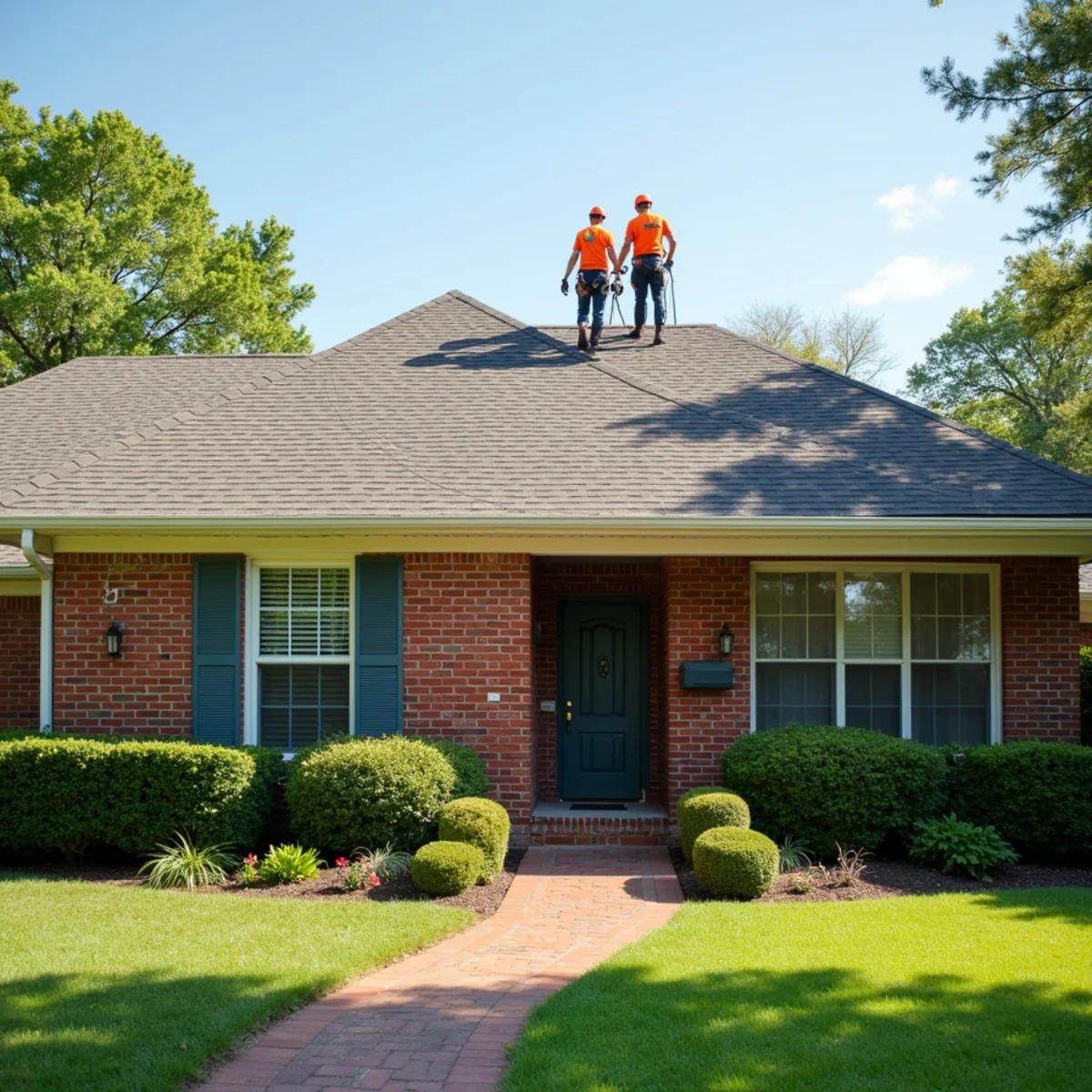
Technicians walk every slope, mark chalk test squares, inspect attic moisture, and document all collateral metal damage.
03
Scope & Adjuster
We review Xactimate line items, attend the on-site adjuster meeting, and ensure all code items like drip edge are included.
04
Pristine Install
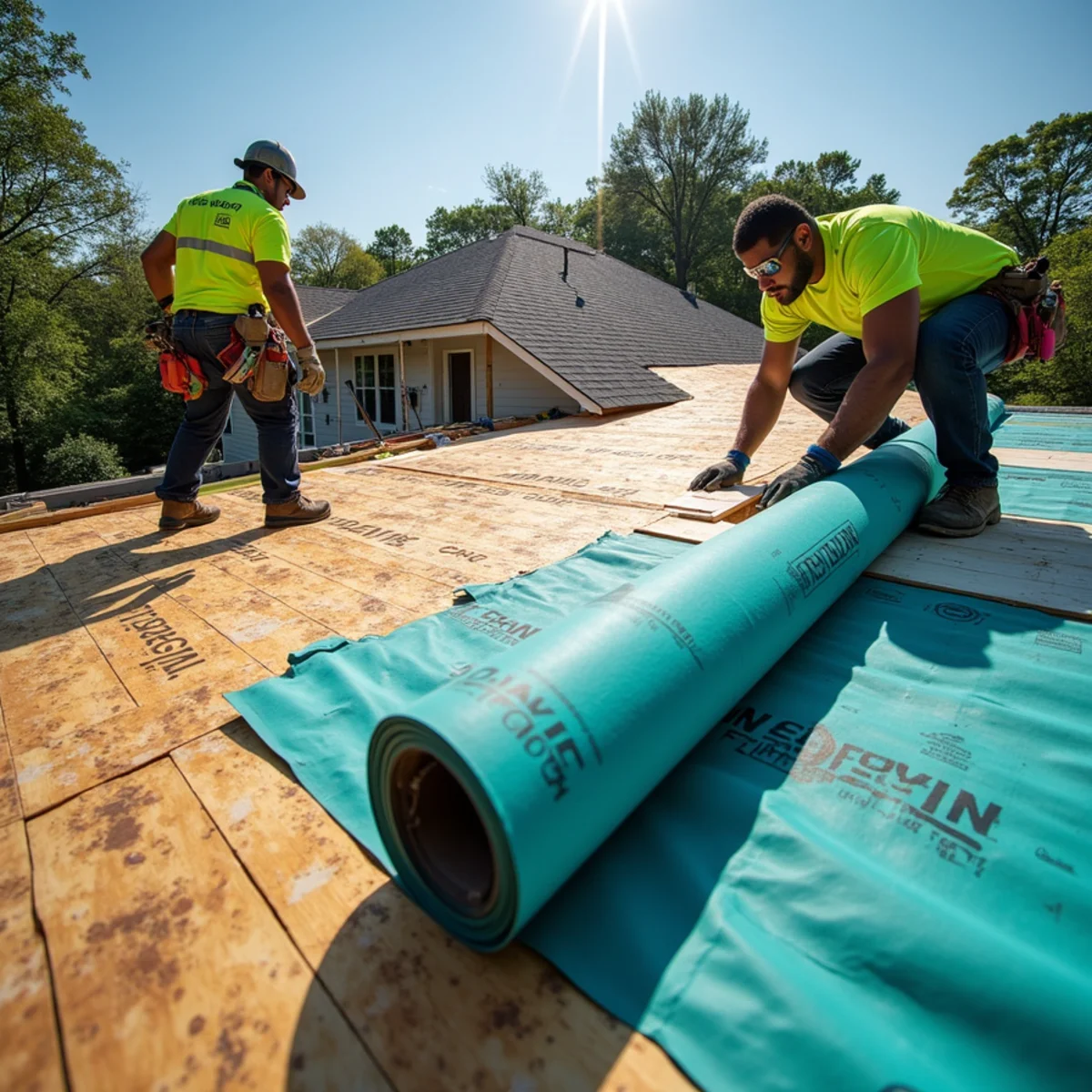
Complete tear-off down to decking, synthetic underlayment, architectural or Class 4 shingles, and magnetic cleanup.
Transparent Local Pricing Context
Repair First, Replace When the Evidence Requires It
Unlike storm-chaser contractors who treat every service call as an immediate full roof replacement, our network adheres to an evidence-first standard. If contained repairs can restore your roof’s integrity without voiding warranties or causing color mismatches, we provide an honest repair scope.
Contained Repairs
$300 – $1,350
Isolated wind-blown shingle replacement, pipe boot resealing, and minor valley flashing repairs where surrounding materials remain pliable.
Scope: 1 to 3 isolated spots
Hail Spot Repairs
$700 – $4,000
Targeted shingle course tear-off, underlayment patching, and ridge cap repairs following localized hail strikes without whole-slope replacement.
Scope: Localized impact areas
Roof Section with Flashing
$1,000 – $5,600
Full single slope or elevation replacement including step flashing, ice & water shield tie-ins, and ridge integration when one side sustains severe damage.
Scope: Single slope or elevation
2,000 Sq Ft Replacement
$9,458 – $13,662
Little Rock benchmark for full tear-off down to bare wood decking, synthetic underlayment, drip edge, ridge venting, and architectural shingles (typical reference: $11,560; Class 3: $11,766).
Scope: Complete system warranty
* Planning disclaimer: Figures above represent Central Arkansas market research benchmarks, not guaranteed quotes. Final estimates depend on roof pitch, number of layers, decking rot allowances ($2,500–$12,800 carpentry), material selection (Class 3 vs Class 4), and insurance scope approval.
The Central Arkansas Standard
Why Little Rock Homeowners Trust Our Network
While out-of-state storm chasers flood Little Rock after tornadoes and disappear when leaks arise, our network is anchored in permanent local accountability, Arkansas state licensing, and verifiable insurance credentials.
Arkansas Licensed & $15K Bonded
Every roofer we send is registered with the Arkansas Contractors Licensing Board, maintaining the mandatory $15,000 surety bond, general liability, and full workers' compensation coverage.
60-Minute Emergency Triage
When active water enters your home, our live dispatch team targets a 60-minute triage commitment to deploy emergency tarping crews across Pulaski, Saline, and Lonoke counties.
Forensic Evidence Adjusters Respect
We don't take blurry phone photos. We deliver dated high-resolution portfolios with marked 10x10 test squares and metal collateral proof that prevent wrongful claim denials.
100% Deductible Integrity
We strictly obey Arkansas HB 1308 prohibiting illegal deductible absorption schemes, protecting you from insurance fraud liabilities and voided manufacturer warranties.
Coverage Corridor
Cities We Serve Within 35 Minutes of Little Rock
Rapid emergency response and scheduled hail inspections across Pulaski, Saline, and Lonoke counties.
About 64,500 residents right across the Arkansas River. The devastating March 31, 2023 EF3 tornado tracked directly through Burns Park into Amboy and Indian Hills, creating sharp contrasts where whole blocks received brand-new roofs while neighboring streets carried subtle, uninspected hail and wind creasing. Park Hill historic homes and mid-century Lakewood dwellings under mature oak canopies suffer frequent limb strikes and hail bruises on aged shingles.
Home to roughly 32,700 residents directly in the path of the 2023 tornado corridor between North Little Rock and Jacksonville. Sherwood expanded subdivision by subdivision from the 1970s through the 2000s off Kiehl Avenue and Brockington Road. Many roofs are nearing 15 to 25 years of age—the exact threshold where Arkansas insurers frequently apply ACV depreciation schedules unless legitimate hail damage is definitively documented.
About 29,500 residents proudly bordering the Little Rock Air Force Base. Because the city expanded rapidly with the base from the 1960s to the 1980s, much of the housing stock is older and comprises a high percentage of single-family rentals. Many property owners and service members are stationed across the country or deployed overseas, requiring a trusted, responsive roofing team that can inspect, photograph, and document storm damage remotely.
Saline County’s fastest-growing municipality, expanding from under 10,000 residents in 2000 to over 21,000 today. The vast majority of Bryant homes were built in master-planned subdivisions between 1998 and 2015. Most carry original builder-grade shingles that are now 15 to 25 years old. When a hailstorm strikes Bryant, entire streets hit replacement age simultaneously, and roof age dictates whether insurance pays full replacement value or actual cash value.
The historic county seat of Saline County with about 35,000 residents. Benton encompasses a unique split: an older, established architectural core surrounding the iconic Saline County Courthouse with mid-century homes (often suffering from long-running hidden leaks, chimney flashing wear, and rotted wood decking), ringed by expansive 1990s through 2020s subdivisions along Military Road, Alcoa Road, and Highway 5.
Lonoke County’s premier commuter hub, growing from under 8,000 residents in 1990 to roughly 26,600 today. Massive waves of subdivision construction throughout Greystone, Magness Creek, and South Fork during the late 1990s and 2000s mean that thousands of roofs are now 20 to 25 years old. The 2023 EF3 tornado track ended just southwest of Cabot, and seasonal hail storms across Lonoke County routinely cause widespread shingle bruising.
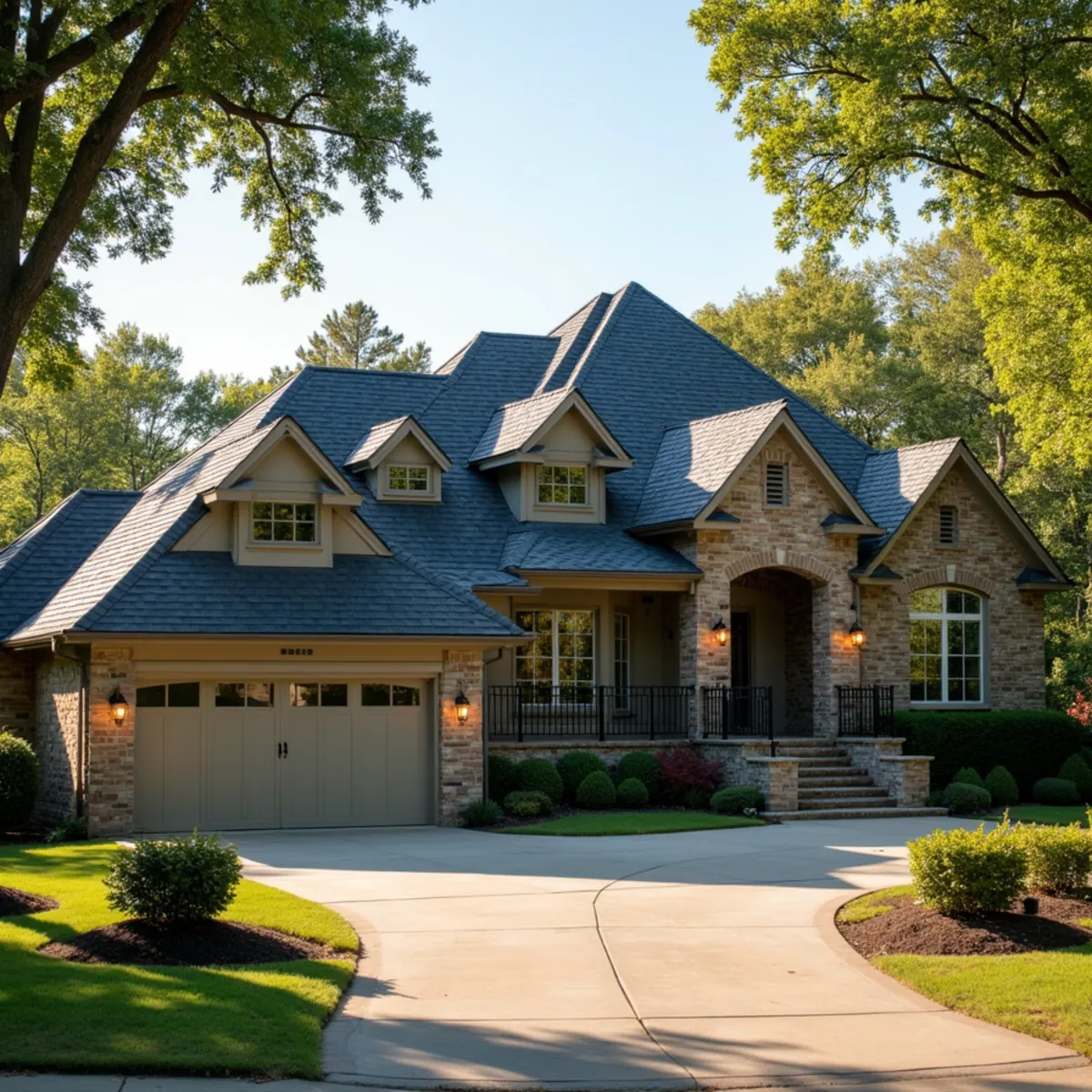
A thoughtfully planned master community founded in 1974, home to about 19,300 residents surrounded by lush greenbelts and lakes. Tall loblolly pines drop heavy limbs during thunderstorms, while needles clog roof valleys. Quarter-sized hail struck Maumelle in July 2026. Higher property values and custom multi-gable rooflines make Maumelle an ideal candidate for Class 4 impact-resistant shingle upgrades during post-storm roof replacements.
Country Club of ArkansasEdgewaterLake Willastein Area
Real experiences from homeowners across Pulaski, Saline, and Lonoke counties.
4.9 / 5.0(128 customer surveys)
Verified
“After the hail squall hit North Little Rock, we had shingle granules piling up in our driveway. The roofer they sent was on our roof within hours, chalked the test square, and walked our adjuster through every impact point. The insurance approved our replacement in full.”
Marcus & Linda T.
Park Hill, North Little Rock, AR
Hail Damage Roof Inspection & Replacement
Verified
“High winds snapped a large pine limb right into our master bedroom roof deck. Their 24/7 team took our call at 10 PM and had an emergency tarp bolted down before morning. Reliable, honest, and truly licensed local guys.”
David H.
West Little Rock / Chenal Valley, AR
Emergency Storm Damage Repair & Tarping
Verified
“Our 18-year-old builder roof was badly battered by hail. They explained the ACV vs RCV differences, caught missing code items on the insurance estimate, and installed Class 4 impact-resistant shingles. We even received a 20% discount on our annual insurance bill!”
Sarah B.
Hurricane Lake Estates, Bryant, AR
Class 4 Shingle Upgrade & Insurance Claim
Note: Customer testimonials reflect real post-storm service surveys collected by our dispatch network. Direct third-party Google Reviews integration activates upon public launch.
Storm Guides & Insights
Latest Arkansas Roofing & Claim Guides
Expert answers written by Central Arkansas roofing professionals.
The critical actions every Central Arkansas homeowner must take immediately following a severe hail squall to protect their home, prevent structural rot, and secure their insurance claim.
Demystifying the insurance claim process for Little Rock homeowners: from initial notice of loss through adjuster inspections, Xactimate supplements, and final depreciation release.
An honest, transparent breakdown of what drives residential roof replacement pricing across Pulaski and Saline counties, including square estimates, material tiers, and insurance deductibles.
Our dispatch network covers all residential neighborhoods across Pulaski, Saline, and Lonoke counties. While we operate on a service-area model, our licensed roofing partners are deployed within minutes of severe weather.
Call a roofer as soon as the property is safe, especially when you see an active leak, exposed decking, a large opening, or ceiling damage. Arrange temporary protection while scheduling the complete inspection. Reported contractor backlogs can reach 4-8 weeks after a major storm, but active water intrusion needs immediate attention.
Live Answering 24 Hours, 7 Days a Week
Don’t Let Storm Damage Destroy Your Ceiling
Hail fractures and wind creasing worsen with every subsequent rainfall. Get your Little Rock roof inspected by licensed Arkansas roofing specialists today.